Costs
What a car-free weekend costs in Burlington, Vermont
Car-free weekend cost Burlington Vermont runs about $230 to $390, covering Green Mountain Transit fares, lodging near Church Street, and luggage storage.
What to take away
- A car-free weekend cost Burlington Vermont typically lands between $230 and $390 per person, excluding travel to the city.
- Green Mountain Transit fares are $2.00 one way, $4.00 for a day pass, and $16.00 for a seven-day pass.
- Parking downtown runs $12 to $20 per day, so skipping the car saves $24 to $40 over two days.
- Lodging near Church Street ranges from $100 to $260 per night, with the lowest rates on weeknights.
- Luggage storage costs $6 to $10 per bag per day at downtown locations.
- The Federal Transit Administration supports the transit networks that make car-free weekends work.
What a car-free weekend on Church Street actually costs
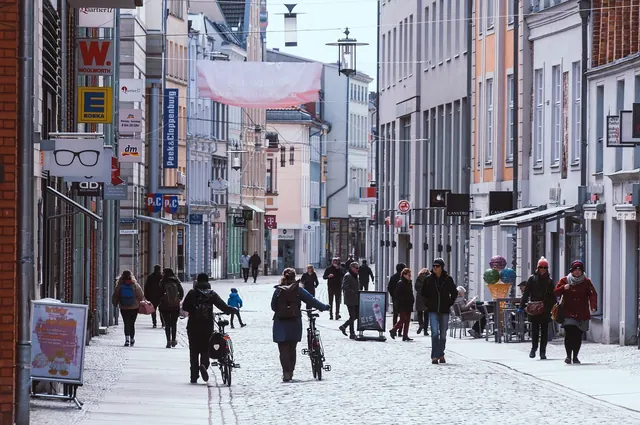
Church Street Marketplace is a four-block pedestrian mall in downtown Burlington, closed to cars since 1981. You step off a Green Mountain Transit bus and you are already inside the weekend. No parking garage, no meter, no circling for a space.
The main costs are lodging, transit, food, and luggage storage if you arrive early or leave late. Attractions like the lakefront and the Island Line bike path are free. That structure keeps the total predictable, even in foliage season when room rates climb.
A two-day visit built around walking fits this city well. You can pair a free lakefront walk with one paid activity, such as a museum or a ferry ride, and still stay under budget. The free anchors and one paid stop approach works because Church Street sits between the waterfront and the hill district.
Buskers, benches, and shopfronts fill the mall from morning until evening. Nothing on Church Street itself requires a ticket. The spending happens when you choose it, which is why a car-free weekend here stays cheaper than a comparable trip in a larger city.
National transit data shows that communities with strong bus networks see more walking trips. The FTA's community transit data explains how local service connects riders to destinations without a car.
Green Mountain Transit fares and pass options
Green Mountain Transit (GMT) runs the local bus network across Chittenden County. Fares are simple and low. You pay when you board, and you can use cash or the GMT app.
Show the numbers
| One-way | $2 |
|---|---|
| Day pass | $4 |
| Seven-day pass | $16 |
| Monthly pass | $50 |
Most routes run every 30 to 60 minutes on weekdays and less often on Sundays, so check the timetable before you commit to a schedule. Transfers within the system are generally included in the fare, which keeps a two-leg trip at $2.00.
Seniors, people with disabilities, and children under 6 ride free or at reduced rates. The exact discount depends on the route and program.
If you are visiting for two days, a day pass on each day costs $8.00 total. That covers the bus from the airport or Amtrak station and any trips to the waterfront. The seven-day pass only makes sense if you stay longer.
GMT also runs the seasonal College Street Shuttle, which is free and connects the waterfront to the top of Church Street. Check the schedule before you rely on it, because the shuttle does not run year round.
For a deeper look at how fares fit into a larger trip, see the details of walking weekend costs that people often miss.
Parking you avoid, and what that saves
The biggest hidden cost of a weekend trip is often the car itself. In Burlington, downtown garages charge about $12 to $20 per day. Street meters run $1.00 to $2.00 per hour, with enforcement on Saturdays.
If you drive and park for two days, you pay $24 to $40 in garage fees alone. Add gas, tolls, and the risk of a ticket, and the car becomes the most expensive part of the trip.
Going car-free flips that. You spend $8.00 on bus passes and $0 on parking. The savings cover a meal or a night of lodging.
Parking also shapes where you can stay. Hotels near Church Street often charge $15 to $25 per night for guest parking, which is another cost you skip when you arrive by bus or train.
Winter adds a complication. Burlington declares snow bans that force cars off certain streets overnight, and a car left in the wrong place gets towed. A visitor without a car never has to watch the forecast that closely.
The FTA's About FTA page outlines the federal role in supporting transit systems that give travelers these options.
Lodging near Church Street, priced by night
Where you sleep sets the floor for your budget. Church Street has hotels within a two-block walk, and cheaper options sit a short bus ride away.
Show the numbers
| On or next to Church Street | $180–$260 |
|---|---|
| Downtown, 3 to 6 blocks | $140–$200 |
| South End or Old North End | $100–$160 |
Weekend rates run higher than weeknights. Booking a Sunday or Monday night can drop the price by $40 or more. Fall foliage weekends and University of Vermont move-in dates push downtown rooms toward the top of their range, so book those dates early.
Budget motels on Shelburne Road cost less but put you on a bus line, not a walking line. That trade-off is real: you save on the room and spend a bit more time in transit.
A good compromise is a downtown hotel three to six blocks from the mall. You get a lower rate and still walk everywhere. The station-to-core triangle idea applies here: base yourself between the transit stop, the pedestrian core, and the waterfront.
Check whether the room rate includes breakfast. A hotel breakfast saves $10 to $15 per person per day compared with a cafe on Church Street, which moves the budget more than a small fare difference does.
Luggage storage and the last-mile details
Arriving early or leaving late creates a gap. You check out at 11 a.m. but your bus leaves at 6 p.m. That is where luggage storage matters.
Downtown Burlington has a few options. A luggage storage service near Church Street charges about $6 to $10 per bag per day. Some hotels hold bags for guests free, even after checkout. The Greyhound and Amtrak stations may offer limited storage, so call ahead.
A cheaper plan is to pack light enough that you can carry everything. A single backpack removes the storage cost entirely, and it makes the walk from the bus stop easier.
Last-mile details add small amounts. A bus from Burlington International Airport to downtown costs $2.00 and takes about 30 minutes. Amtrak's Ethan Allen Express stops in Burlington, and the station is a short walk or bus ride from Church Street.
Green Mountain Transit buses carry bikes on front racks, so you can combine a ride with the lakefront path if you bring one. That option costs nothing beyond the fare.
These small costs add up if you ignore them. The hidden costs quietly drain a walking budget through taxis, gear, and meals, so plan for them.
The FTA's National Transit Database tracks ridership on systems like GMT, which helps show how many people travel this way.
A line-by-line weekend budget
Here is a two-day, one-person budget for a car-free weekend in Burlington. It assumes you arrive by bus or train, stay one night downtown, and eat two restaurant meals.
- Transit passes: two day passes at $4.00 each = $8.00.
- Lodging: one night at a mid-range downtown hotel = $160.00.
- Meals: two casual meals and a coffee = $45.00.
- Luggage storage: one bag for half a day = $5.00.
- Activities: one paid stop, such as a museum = $12.00.
- Parking avoided: garage for two days = $0.00 (saves $24 to $40).
Total: about $230.00. Add a second night and the total rises to roughly $390.00. That range matches the $230 to $390 figure for a typical car-free weekend.
Swap the mid-range hotel for a South End room and the one-night total falls near $170.00. Swap it for a lakefront hotel in October and the same night costs $260.00 or more.
You can trim the number by staying in a hostel or the South End, eating one meal from a market, and skipping luggage storage. You can raise it with a lakefront room and a nicer dinner.
Planning the order of arrival, base, and return keeps the budget tight. The planning a car-free weekend in order method helps you avoid backtracking and extra fares.
Federal grant programs fund many of the transit and access projects that make this kind of trip possible. The FTA's grant programs page lists the funding streams behind local service.
Common questions
How much does a car-free weekend in Burlington cost? About $230 for one night and $390 for two nights, including transit, lodging, meals, and one activity.
Do I need a car to enjoy Church Street? No. Church Street is pedestrian-only, and the bus network connects the airport, Amtrak, and the waterfront.
What is the cheapest way to get around Burlington? Buy a $4.00 day pass from Green Mountain Transit. It covers unlimited local rides for one day.
Where can I store luggage downtown? Several downtown services charge $6 to $10 per bag per day. Some hotels store bags free for guests.
Is parking really avoidable? Yes. Downtown garages cost $12 to $20 per day, and bus passes cost far less, so skipping the car saves money.