
Costs
Ranking the walking-trip mistakes that cost the most money
Ranking walking-trip errors by what they cost: the wrong base, the missed return service, the unrefundable ticket, and arriving in the middle of the works.
Not all walking-trip mistakes cost the same. Some cost an hour, some cost a day, and two of them can cost more than the trip did. Ranking them by price rather than by frequency changes which ones are worth preventing. Prices below are typical US ranges as of 2026, not quotes.
What to take away
- The wrong base is the most expensive error because it recurs every day, often $24 to $50 daily in taxi or rideshare fares.
- A missed return service is the largest single-hit cost, typically $60 to $300, and it is entirely preventable.
- Unrefundable timed tickets are cheap individually, often $25 to $75 each, and expensive as a habit.
- Arriving mid-construction is common enough to check for, and there are reasons why.
Ranked by cost
| Mistake | Typical cost | Prevented by |
|---|---|---|
| Wrong base | $24 to $50 a day in Uber, Lyft, or taxi fares; $72 to $150 over three days | Checking the route before the rate |
| Missed last service | $60 to $180 taxi, or $120 to $250 hotel night; remote rides can exceed $300 | Booking the return first |
| Rental car for one outlying stop | $45 to $90 a day plus $15 to $40 parking and fuel | One taxi round trip instead, often $40 to $120 |
| Unrefundable timed tickets | $25 to $75 per ticket; three lost tickets cost $75 to $225 | Buying late, buying fewer |
| Gear bought on the road | Roughly double retail; a $120 rain shell can cost $180 to $240 in a resort town | Packing the panic-purchase items |
| Arriving mid-construction | Detours and replanning often add $20 to $80 a day in extra rides and missed entries | Searching the town plus street work before booking |
The first two are worth more attention than the rest combined. Everything else on that list is an annoyance with a price tag; those two change the shape of the trip.
Walking-trip mistakes ranked by cost
Mistake
- Wrong base
- $24-$50/day rides
- Missed last service
- $60-$300 taxi/hotel
- Rental car for one stop
- $60-$130/day
- Unrefundable timed tickets
- $25-$75 each
- Gear bought on road
- Roughly double retail
- Arriving mid-construction
- $20-$80/day extra
Typical cost
- Wrong base
- Check route first
- Missed last service
- Book return first
- Rental car for one stop
- One taxi round trip
- Unrefundable timed tickets
- Buy late, fewer
- Gear bought on road
- Pack panic items
- Arriving mid-construction
- Search street work
Prevented by
- Wrong base
- Missed last service
- Rental car for one stop
- Unrefundable timed tickets
- Gear bought on road
- Arriving mid-construction
The wrong base is the more insidious of the two because it never announces itself. You never realize you have made an expensive mistake. There is only a slightly disappointing trip: you took more taxis than you meant to, ate at whatever was near the hotel, and came home feeling you had not seen much.
The missed service at least tells you what happened.
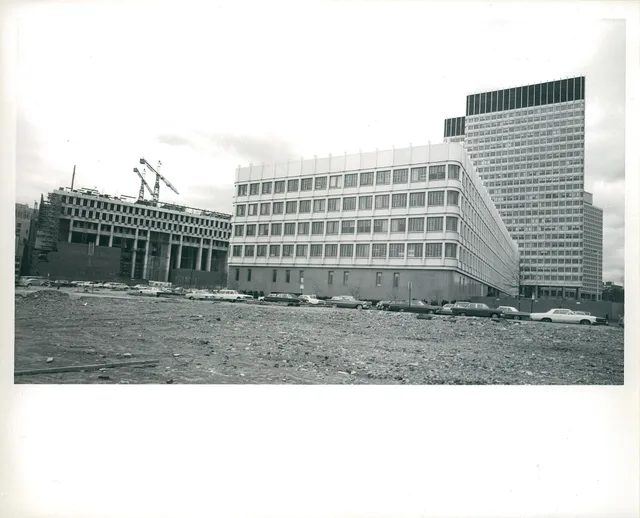
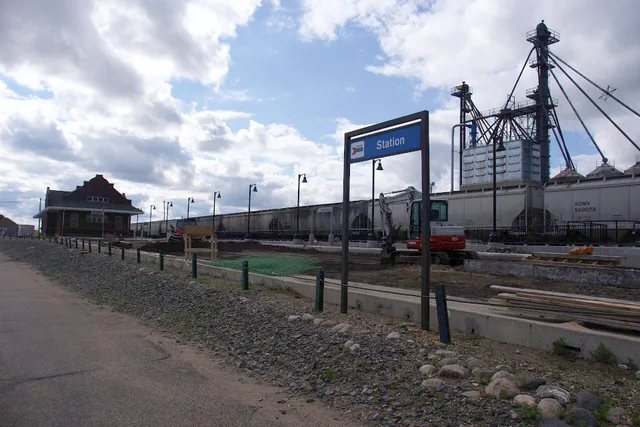
Arriving in the middle of the works
Construction is the cost nobody plans for, and it is not random. Two large public funding streams shape where and when American downtowns are dug up.
Construction funding by the numbers
- $1.5BEPA Brownfields Program
- $1.2BBrownfields project grants
- 2 yearstypical rebuild after disaster
EPA says the Infrastructure Investment and Jobs Act delivers the single largest investment in United States brownfields infrastructure. It provides over $1.5 billion through its Brownfields Program, including $1.2 billion in project grants. The grants fund planning, construction and operation across communities large and small.
Separately, HUD's Community Development Block Grant Disaster Recovery funds are appropriated by Congress and allocated to help cities, counties, tribes and states rebuild after presidentially declared disasters, particularly in low-income areas. A town that took a hurricane or a flood two years ago is very likely to be rebuilding its streets now.
Neither is a reason to avoid a place, and both usually mean the town will be better in two years than it is now. Both are a reason to search the town's name plus street work before booking, and to hold the contingency.
The habits that cost quietly
These habits rarely appear as one large charge. They add up in $15 to $40 increments, often across meals, entries, and short rides.
- Booking three ticketed things a day, so the route serves the tickets.
- Eating on the main street twice a day out of convenience.
- Skipping the guided hour that would have prevented two wasted mornings.
- Not writing down what went wrong, so the same trip gets repeated.
Our pillar on walking trip mistakes covers the full list of failure modes, and the hidden expenses guide sets out the contingency that absorbs the ones you cannot design out.