Guides
What to pack when the walking weekend budget is fixed: the parts worth your time
Packing to protect a fixed walking budget: the items that stop you buying replacements on the road, and the two checks that decide what you carry each day.
When the budget is fixed, the packing list stops being about comfort and becomes about avoided purchases. Every item bought on a Saturday morning in a small town costs roughly twice what it costs at home, and it usually costs an hour of the day as well. Packing well is the cheapest form of contingency there is.
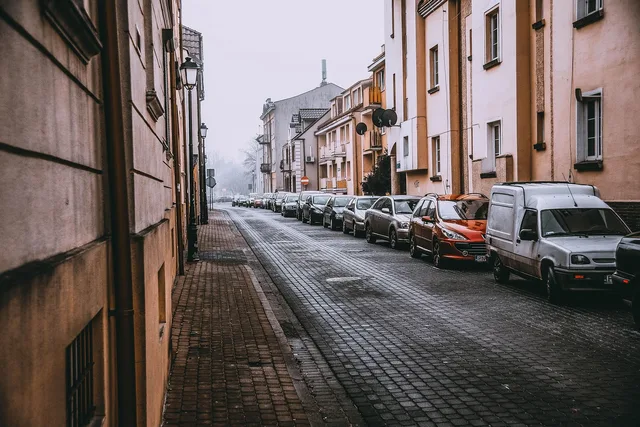
That matters more in walkable American towns and neighborhoods than almost anywhere else. The whole point of choosing a compact downtown or a historic core is to spend the day on foot, moving between blocks, not to lose an hour driving to a pharmacy or gift shop for something you left at home.
Packing for the surface and the weather keeps your walking weekend focused on the streets and the neighborhoods you came to see.
What to take away
- Pack the four items that get bought in a panictape, a rain layer, a warm layer and a spare pair of socks.
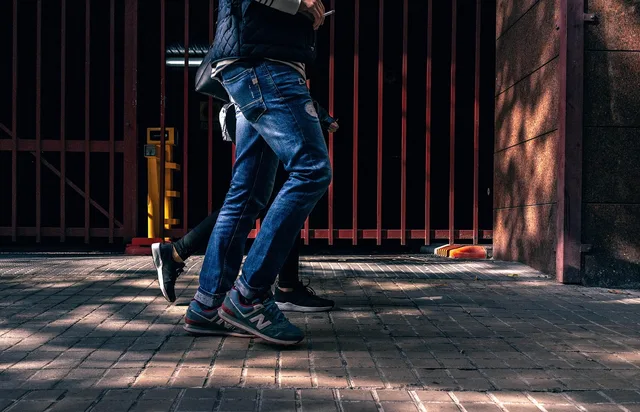
- Choose shoes for the surface you will actually walk on, not the one in the photographs.
- Carry your own water and a real snack. Convenience food is the quiet budget killer.
- Two morning checks, air and weather, decide what leaves the room with you.
The panic-purchase four
These are the items walkers buy at full price because they did not bring them:
- Blister tape or moleskin, bought at a pharmacy at ten in the morning.
- A rain shell, bought at a gift shop for three times its worth.
- A warm layer, bought when the evening turns out colder than the app said.
- Dry socks, bought after one puddle.
All four weigh under a pound together. Any one of them costs more than the pound is worth.
Shoes follow the surface
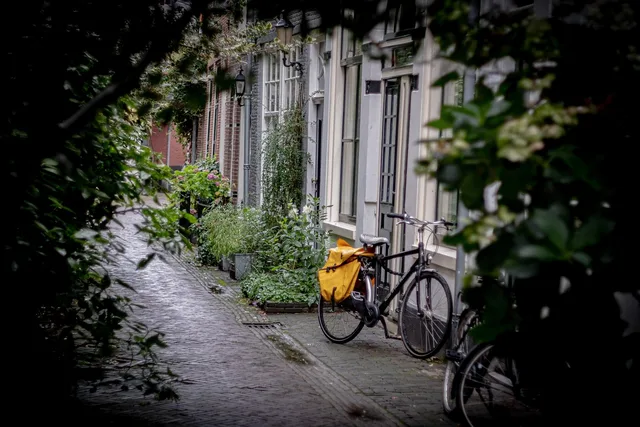
Historic American cores are brick, granite setts, patched concrete and the occasional gravel path, and each behaves differently underfoot. The Access Board's guide to floor and ground surfaces explains the property that matters: surfaces have to be stable, firm and slip resistant, with stable meaning resistant to movement and firm meaning resistant to deformation.
Surface vs. shoe choice
Brick and setts
- Effect on walking day
- Ankle work, slow pace
- Pack
- Stiffer sole, thicker sock
Smooth concrete
- Effect on walking day
- Fast, hard on heels
- Pack
- Cushioned insole
Wet metal grates
- Effect on walking day
- Genuinely slippery
- Pack
- Shoes with real tread
Gravel paths
- Effect on walking day
- Stones in shoes
- Pack
- Low gaiters or high collar
Hardened materials such as concrete, asphalt, tile and wood meet that test. Most loose materials, gravel included, do not unless treated, and grate openings are limited so a half-inch sphere cannot pass.
Those are rules for federal buildings and sites, not for the sidewalk outside your rental. They are still the best description of what your shoes have to cope with. A stiff-soled shoe handles setts and grates. A soft trail shoe rolls on them.
What it does to a walking day
- Brick and setts
- Ankle work, slow pace
- Smooth concrete
- Fast, hard on heels
- Wet metal grates
- Genuinely slippery
- Gravel paths
- Stones in shoes
Pack
- Brick and setts
- Stiffer sole, thicker sock
- Smooth concrete
- Cushioned insole
- Wet metal grates
- Shoes with real tread
- Gravel paths
- Low gaiters or high collar
The two morning checks
Weather is obvious. Air is not. EPA's research on health effects from air pollution notes that decades of work show pollutants such as ozone and particulate matter increase the amount and seriousness of lung and heart disease.
Children, older people and those in high-pollution areas are especially susceptible. A walking weekend is a high-exposure activity by design, so on a bad air day the plan changes rather than the pace.
Changing the plan is also the cheaper option. An indoor morning costs one entry fee. A day of walking through poor air can cost the rest of the trip.
What not to pack
Leave the second camera, the hardback book, the third pair of shoes and anything you would not carry for six miles. Our hidden expenses guide covers the costs that packing cannot prevent, and the transport, stays and tickets breakdown shows where the rest of the money goes.