Guides
Part of Judging a walkable town before you book: a beginner's field guide
Packing for a walkable-town trip: footwear, layering and a daypack
A packing list built for eight-hour days on pavement: footwear, layering, a daypack that carries weight properly, and the sun and air checks that matter.
Packing for a walking trip is not packing light. It is packing for one specific load: eight hours a day on hard surfaces, in whatever the sky does, with everything you need carried on your back. Most people over-pack clothing and under-pack the four things that decide how the day feels.
What to take away
- Footwear is the whole trip. Everything else is adjustable on the road.
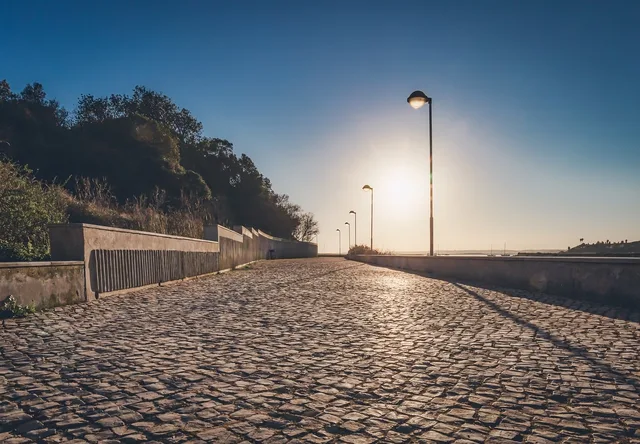
- Pack for surface, not for scenery. Pavement and brick punish differently than trail.
- Two small checks before you leave the room, sun and air, change what you carry that day.
- A daypack that rides on your hips beats a stylish one that hangs off a shoulder.
Shoes, and then the rest
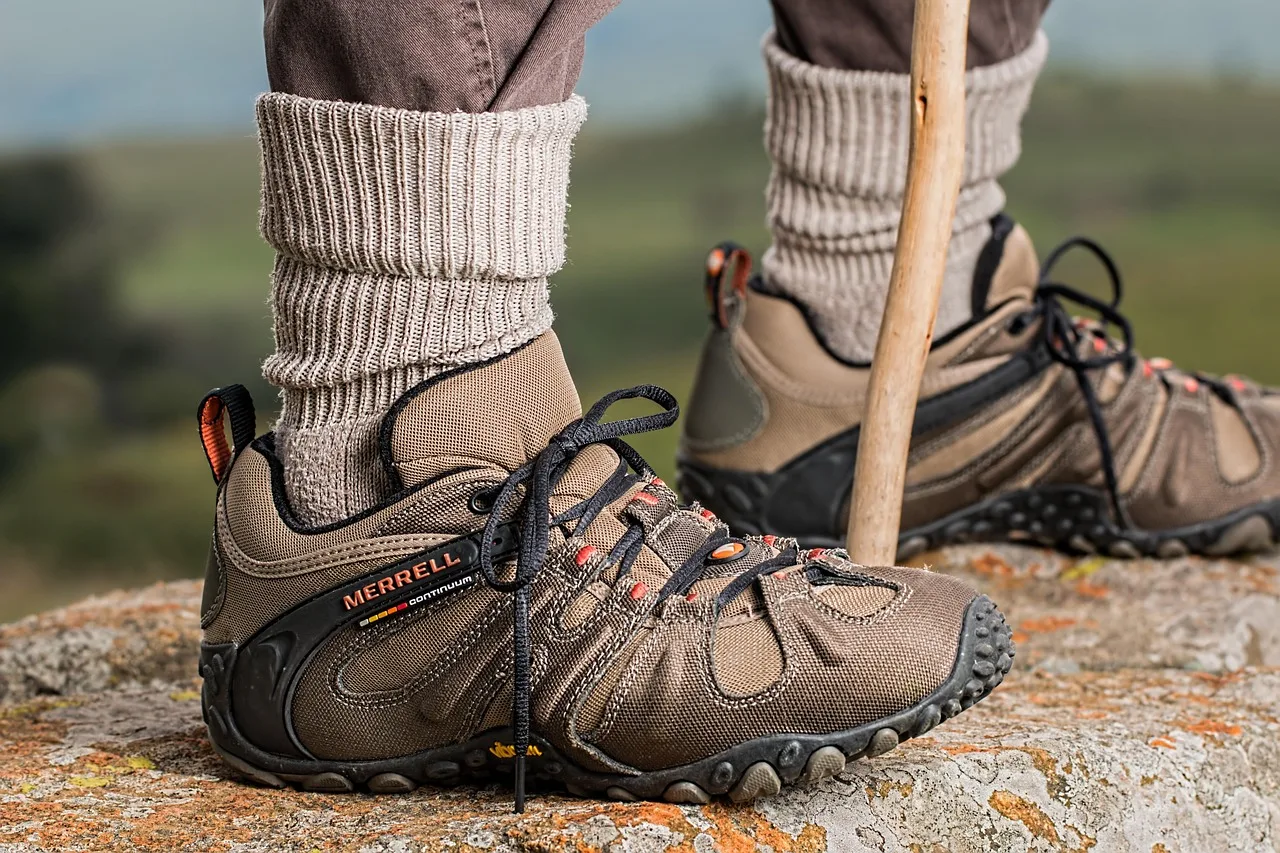
Bring shoes you have already walked twenty miles in. New shoes on a walking trip reliably cost a day. Pack a second pair with a different footbed shape, even a light sneaker, so a hot spot does not end the trip.
Two pairs of socks per walking day sounds excessive until the first afternoon of rain.
After that the list shortens fast. Layers beat bulk. A thin windproof shell, one warm mid-layer and two shirts will cover most of the continental United States outside deep winter, because you are moving constantly and generating heat.
The two checks that change the pack
Look up the UV Index for the day before you pick a hat. The EPA's UV Index scale calls 1 to 2 low, and 3 to 7 shade in the late morning through mid-afternoon plus broad-spectrum SPF 15 or higher.
8 or above means extra protection. One check needs no phone: if your shadow is shorter than you are, exposure is high.
The second check is air. Particle pollution is measured as PM10 and PM2.5. The EPA's particulate matter basics page says fine particles are roughly 2.5 micrometers or smaller, about thirty times smaller than a human hair.
On a smoke day or a stagnant summer afternoon, that matters more for a person walking six miles than for someone driving, because you are breathing harder for longer. A light mask weighs nothing and stays in the pack unused most trips.
The pack itself
Item / Why it earns space
- 18 to 22 liter daypack with a hip belt
- Moves load off the shoulders
- Compact rain shell
- Rain ends walking days more often than cold
- One liter refillable bottle
- Refills are free, bought water is not
- Blister kit and tape
- Fixes the problem that ends trips
- Paper or offline map
- Batteries fail in cold and at the worst hour
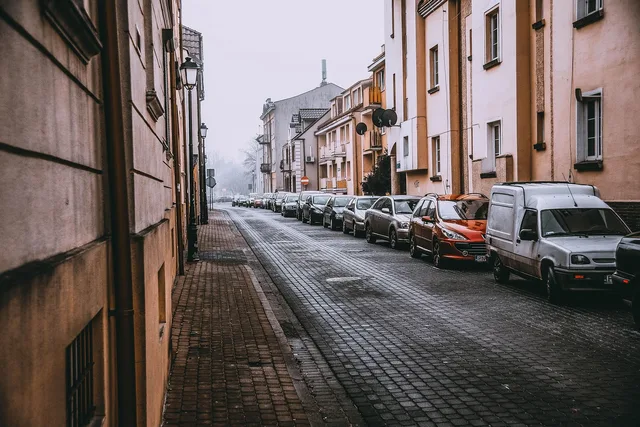
Leave behind the wheeled suitcase if your base is more than a few blocks from the station. Brick, granite setts and tree-root heave turn small wheels into a two-person job.
Adjust for the town, not the season
Steep towns need a lower pack weight and a spare layer. You stop sweating the moment you reach the top and cool fast. Flat grid towns let you carry more but tempt you into longer days, so bring the blister kit anyway.
Before you finalise anything, read the field guide to walkable towns for how to judge grade and block length from a map. Then check the two-day itinerary to see how the load changes between a museum day and a ridge day.